
Sweepstakes Casino Fish Games: US Arcade Skill Gaming
 Available in US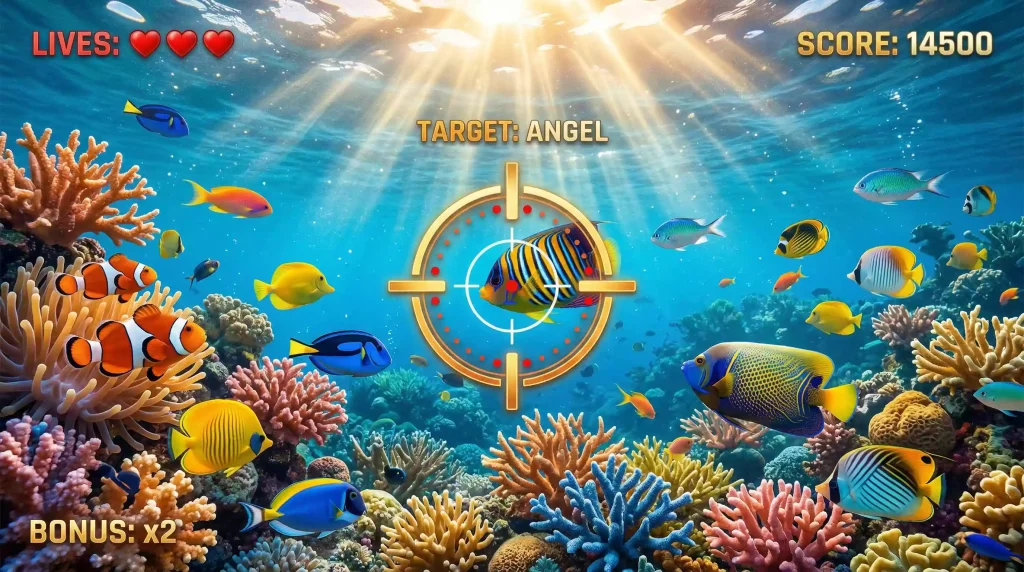
Fish games occupy a unique space in sweepstakes casino libraries. They’re not slots, not table games, not video poker—they’re arcade-style shooters where players aim weapons at swimming targets to accumulate points. The format originated in Asian gaming markets before migrating to Western arcade halls and eventually online platforms, including sweepstakes casinos seeking differentiation from slot-heavy competitors.
The appeal is immediate and visceral. Unlike slots where you click and watch, fish games demand constant engagement—aiming, timing shots, managing ammunition, and making split-second decisions about which targets offer the best value. This active participation creates a gaming experience that feels fundamentally different from passive spinning.
Where arcade action meets sweepstakes prizes, fish games attract players seeking something beyond traditional casino fare. Understanding how these games work, which titles dominate the market, and whether skill actually affects outcomes helps you decide if fish games deserve a place in your sweepstakes rotation.
Mechanics of Sweepstakes Fish Table Games
The basic mechanic spans all fish game variants: marine creatures swim across your screen, and you fire projectiles to catch them. Each creature displays a point value or multiplier. Successfully hitting a target adds its value to your score. Ammunition costs coins—every shot consumes part of your balance whether it hits or misses.
Weapon systems vary between games. Some offer single-shot cannons requiring precise aiming. Others provide spread weapons covering larger areas but consuming more ammunition per shot. Premium weapons with enhanced power often unlock through gameplay progression or additional coin expenditure. Weapon selection becomes strategic: powerful weapons catch more fish but drain balances faster.
Fish behavior follows programmed patterns with randomized elements. Small fish move predictably and fall easily. Large fish require multiple hits and often swim erratically to avoid capture. Boss creatures appear periodically, offering massive point values but demanding concentrated fire and significant ammunition investment to defeat.
Multiplier systems add complexity beyond basic point values. Catching specific fish might trigger screen-wide effects, activate special weapons temporarily, or multiply all earnings for a limited period. These mechanics create gameplay peaks where strategic timing dramatically increases returns—or wasted opportunities when multipliers expire unused.
Point-to-prize conversion follows sweepstakes casino conventions. You play using Sweeps Coins, accumulate points during gameplay, and convert point totals back to SC at session end. The effective return depends on your shooting accuracy, target selection, and whether you capitalize on multiplier opportunities.
Session structure differs from slots. Rather than discrete spins with instant outcomes, fish games run continuously. You decide when to start and stop, controlling pacing in ways slot players cannot. This agency creates different bankroll management considerations—you’re not waiting for bonus rounds to hit, you’re actively working to generate value throughout play.
Popular Fish Game Titles
Ocean King series dominates the fish game category across platforms. Multiple versions exist, each adding visual themes and mechanical wrinkles while maintaining core shooting gameplay. Ocean King’s widespread availability means players can find familiar mechanics at most sweepstakes casinos carrying fish games.
Fish Catch from Realtime Gaming (RTG) brings a major provider’s production values to the category. The game features smooth animations, responsive controls, and competitive RTP compared to lower-quality fish games. RTG’s reputation in traditional online gaming translates to fish table content that meets professional standards.
Fishing Kingdom emphasizes multiplayer elements, letting you see other players’ shots and compete for the same targets simultaneously. The social dimension adds pressure and excitement beyond solo play—someone else might catch the big fish you’re targeting, or vice versa.
Golden Dragon and similar titles wrap fish game mechanics in different visual themes while maintaining familiar gameplay. Dragon-hunting variants, underwater treasure themes, and fantasy aquatic settings provide aesthetic variety without fundamentally changing how you play.
Exclusive platform titles appear at casinos investing in fish game content. These proprietary versions might offer unique features, adjusted mathematics, or themed tie-ins unavailable elsewhere. Quality varies significantly—some exclusives match or exceed third-party titles while others feel rushed to market.
The sweepstakes market, generating gross revenues exceeding $14 billion annually according to Eilers & Krejcik Gaming, increasingly recognizes fish games as a valuable category for player acquisition and retention. Expect continued expansion of available titles as operators observe player engagement metrics.
Skill vs Luck: The Ongoing Debate
Fish games present themselves as skill-based alternatives to pure-chance slots. The marketing emphasizes aiming ability, timing, and strategic target selection as determinants of success. But how much skill actually matters remains contested.
Hitting targets requires manual input—you choose where to aim and when to fire. This differs fundamentally from slot outcomes determined entirely by random number generators. The skill claim has some validity: better aim means fewer missed shots, and missed shots cost coins without return. A player who hits 80% of shots outperforms one hitting 50%, all else equal.
However, underlying hit detection incorporates random elements. The same shot on the same target might succeed or fail based on factors beyond visible aiming. Fish “health” and capture probability involve RNG calculations invisible to players. The random layer means even perfect aim doesn’t guarantee catches.
Chris Grove, partner at Eilers & Krejcik Gaming, has observed that consumers gravitate toward sweepstakes products partly because they “do not force them to make the same hard decision to self-identify as a gambler.” Fish games’ skill elements reinforce this perception—players can attribute losses to poor aim rather than bad luck, psychologically distancing the experience from traditional gambling despite similar mathematical fundamentals.
Practical skill advantages exist but diminish over extended play. Short-term sessions where skilled players maximize multiplier opportunities and avoid wasteful shots show measurable differences. Long-term results converge toward programmed return percentages regardless of individual skill levels. Think of it as skill influencing variance rather than expected value.
Regulatory treatment varies by jurisdiction. Some states classify fish games as skill games subject to different rules than gambling. Others view the random elements as predominant and regulate accordingly. The legal ambiguity contributes to fish games’ complicated position within sweepstakes casino offerings.
Winning Strategies
Target selection affects session outcomes more than raw aiming ability. Low-value fish provide consistent small returns with minimal ammunition investment. High-value targets demand significant fire but might escape despite your efforts. Balance your approach—building balance through small fish funds attempts at lucrative boss creatures.
Ammunition management prevents premature session endings. Spraying shots wildly depletes coins rapidly. Deliberate, aimed shots conserve resources while maintaining catch rates. Monitor your balance against remaining targets; don’t exhaust ammunition on a difficult fish when easier catches remain available.
Multiplier timing separates effective players from inefficient ones. When multiplier opportunities activate, shift to aggressive play—the enhanced returns justify increased ammunition expenditure. When multipliers expire, return to conservative target selection. This rhythm of intensity matching multiplier availability optimizes the skill elements you can actually control.
Weapon upgrades require cost-benefit analysis. Powerful weapons catch fish faster but cost more per shot. Calculate whether upgrade costs exceed the additional value you’ll capture. Sometimes basic weapons against appropriate targets outperform expensive weapons against resistant fish.
Session timing matters for multiplayer games. Peak hours mean more competition for limited high-value targets. Off-peak play might provide easier access to boss creatures and special fish without fighting other players’ fire for the same catches.
Set loss limits before playing and honor them regardless of how gameplay unfolds. Fish games’ continuous nature makes it easy to chase losses indefinitely. The absence of discrete spin breaks removes natural stopping points. Impose structure externally through predetermined limits.
Conclusion
Fish games offer arcade action meets sweepstakes prizes in a format distinct from slot-dominated libraries. The shooting mechanics demand active participation, target selection rewards strategic thinking, and multiplier systems create engaging gameplay peaks. Whether skill genuinely affects outcomes remains debatable, but the experience undeniably differs from passive slot spinning.
Titles like Ocean King, Fish Catch, and platform exclusives provide variety within the category. Understand that random elements underlie visible mechanics regardless of skill marketing. Apply bankroll management discipline appropriate to continuous gameplay formats. For players seeking something beyond reels and paylines, fish games deliver genuinely different sweepstakes entertainment.